It sounds unlikely, yet it happens every year. Rare U.S. coins continue to surface in everyday circulation—mixed into pocket change, tucked into vending machines, or forgotten in jars on kitchen counters. These finds are not myths or collector folklore. They are documented discoveries verified by grading services and auction houses, sometimes worth hundreds, thousands, or even millions of dollars.
The reason is simple. Circulation is vast. Billions of coins move hands daily. Amid that volume, a small number of rare pennies, dimes, and half-dollars slip through unnoticed. Errors, low-mintage issues, and subtle varieties do not announce themselves. They look ordinary unless you know what to check.

How Rare Coins Stay in Circulation
Several factors allow valuable coins to remain in use long after their minting:
- Lack of public awareness: Most people focus on face value, not dates or details.
- Subtle diagnostics: Some varieties require magnification or angled light to identify.
- Durable designs: Coins like Lincoln cents and Mercury dimes withstand decades of handling.
- Inherited change: Old collections often get spent unknowingly by heirs.
Even key-date coins can blend in. Wear softens details. Dirt hides doubling. A faint mint mark goes unnoticed. These conditions create opportunities for attentive collectors.
What Makes a Circulating Coin Valuable
Not every old coin is rare. Value comes from specific traits, not age alone. The most common categories of circulating rarities include:
- Mint errors: Wrong metals, doubled dies, or striking mistakes
- Low mintage issues: Coins struck in small numbers that escaped collection
- Design varieties: Differences in lettering, spacing, or hubbing
- Key dates: Important years within a series
These coins were never meant to circulate for decades, yet many did. That survival is part of their appeal.
Why Roll Hunters and Casual Checkers Still Win
Collectors who search bank rolls or simply inspect their change via the coin value checker app benefit from scale. You do not need special access. You need consistency. Every handful of coins is another chance.
Some of the most famous circulating finds came from ordinary sources:
- A steel cent mistaken for a copper one
- A doubled die dismissed as wear
- A silver dime spent for ten cents
The difference lies in observation.
Rare Coins You Can Still Find in Circulation
Some circulating rarities are famous. Others stay quiet. What they share is the ability to pass through everyday transactions unnoticed. The coins below continue to surface because their key traits are easy to miss without focused inspection.
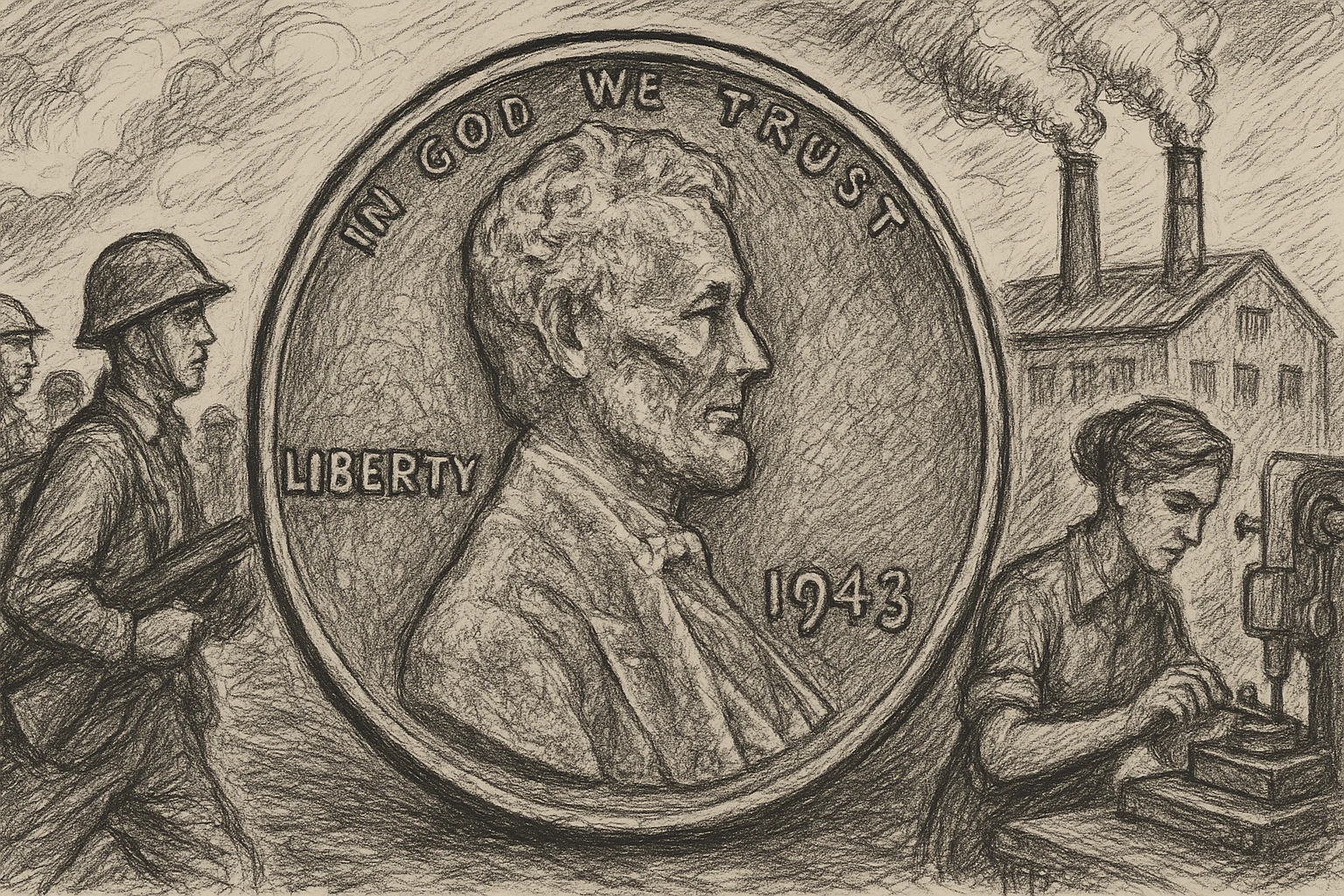
1943 Bronze Lincoln Cent
During World War II, the Mint struck cents in zinc-coated steel to save copper. A few bronze planchets from 1942 remained in the system and were struck by mistake. These coins look normal at first glance, which is why they occasionally escape detection.
How to spot one:
- Copper color instead of steel gray
- Non-magnetic behavior
- Weight close to 3.11 grams, not 2.7
Fewer than 20 authentic examples exist. Circulated pieces can exceed $100,000, making this one of the most dramatic pocket-change finds ever recorded.
1969-S Doubled Die Obverse Penny
This San Francisco error shows strong doubling on the date and LIBERTY. Many examples circulated heavily and were dismissed as worn coins, but the coin scanner app. Under angled light, the doubling becomes clear.
Key checks:
- Thickened date numerals
- Separation on LIBERTY
- No doubling on the reverse
Even worn examples can exceed $100, while AU pieces reach $35,000+.
1916-D Mercury Dime
The Winged Liberty dime series includes one major key date. With a mintage of just 264,000, the 1916-D is scarce in all grades. The mint mark is small and often weak, allowing examples to circulate unnoticed.
What to examine:
- Small “D” on the reverse
- Natural silver wear, not damage
- Weight consistent with 90% silver
Even in Very Fine condition, values often exceed $1,000.
1955 Doubled Die Lincoln Cent
This is the most recognizable doubled die in U.S. coinage. The obverse doubling is bold and unmistakable once seen, yet thousands circulated for years.
Diagnostics:
- Strong doubling on date and lettering
- No need for magnification to spot major examples
- Natural wear does not reduce collectibility
Worn coins still bring $1,000+, making this a realistic circulation find.
Modern Sleepers: 1984 and 1995 Doubled Dies
Not all valuable finds are old. Modern cents also hide premium varieties.
- 1984-P Doubled Die: Doubling on the ear and date, values around $75+
- 1995 Doubled Die: Soft but clear motto doubling, often worth $500+
These coins frequently appear in mixed change because most people assume modern cents hold no value.

Snapshot of Circulating Rarities
| Coin | Rarity Trait | Approx. Circulating Value |
| 1943 Bronze Cent | Wrong metal | $10,000+ |
| 1969-S DDO | Obverse doubling | $100+ |
| 1916-D Dime | Low mintage | $800+ |
| 1955 DDO | Strong doubling | $1,000+ |
| 1970-S DDO | Large date variety | $500+ |
Tools That Help Spot Hidden Value
Sorting coins by hand works, but efficiency matters. Many collectors photograph suspicious coins to confirm basic specs before deeper research. Tools like the Coin ID Scanner app on Android and iOS can quickly show minting years, composition, diameter, and typical pricing from a database covering over 187,000 coins. This helps identify pieces that deserve closer inspection during large sorting sessions.
How to Sort, Verify, and Keep Your Finds Safe
Finding rare coins in circulation is only half the work. The real value comes from how you sort, verify, and preserve what you find. Many potential rarities are lost because they are misjudged, mishandled, or simply forgotten after the initial excitement.
A Simple Sorting Routine That Works
Consistency matters more than speed. A clear routine reduces mistakes and keeps promising coins from slipping back into circulation.
A practical approach looks like this:
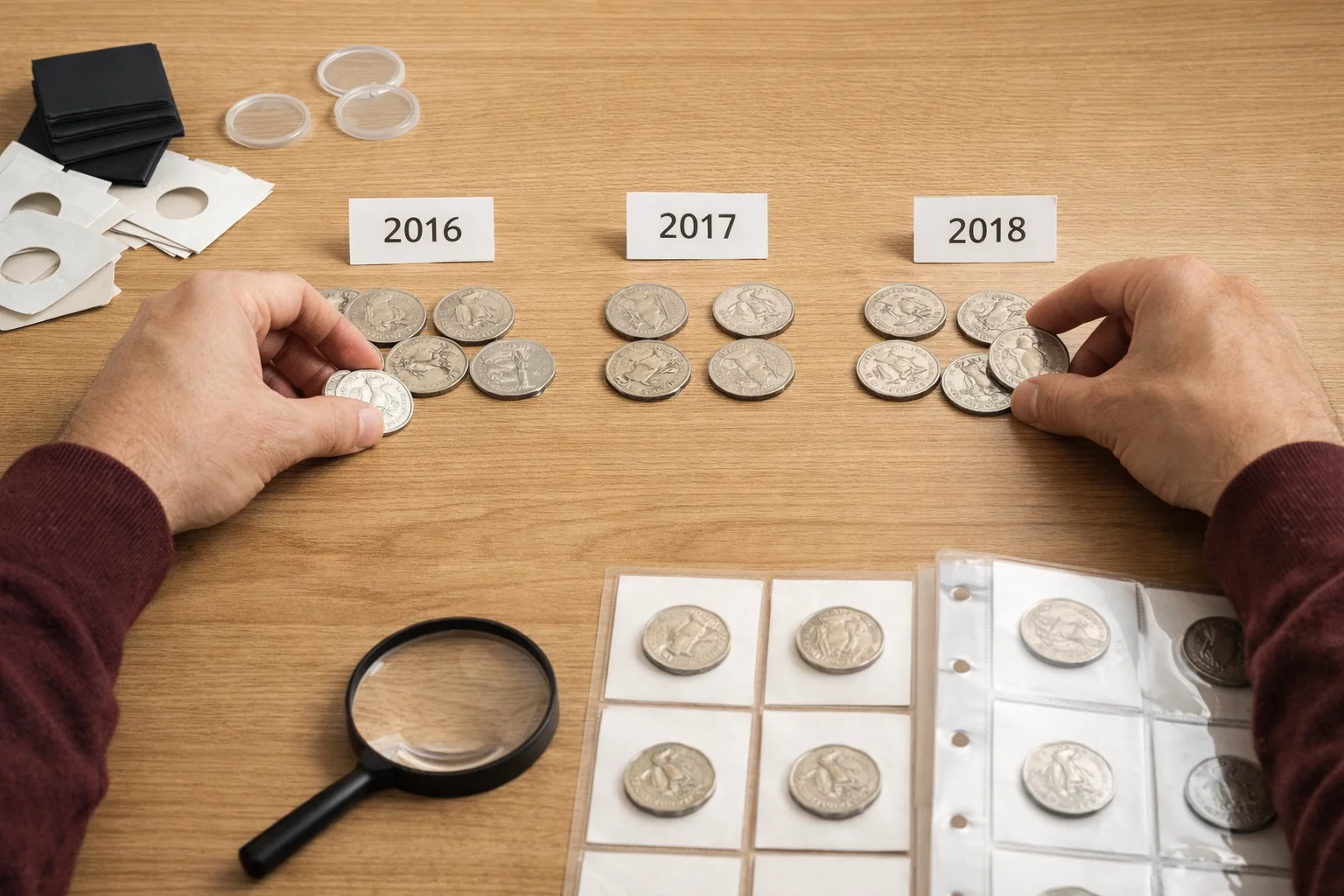
- Dump and spread: Lay coins flat on a tray or table with good light.
- Quick date scan: Pull known key years and suspect modern varieties.
- Mint mark check: Focus on small or weak mint marks that are easy to miss.
- Detail inspection: Use a loupe to look for doubling, spacing issues, or odd surfaces.
- Weight and magnet tests: Especially important for silver and wrong-metal errors.
This process takes minutes per handful of coins and improves accuracy quickly.
Common Mistakes That Cost Collectors Money
Many rare coins are damaged after discovery, not before. Avoiding these errors protects value.
- Never clean coins: Cleaning can cut value by 50% or more, even on rare pieces.
- Do not assume damage: Doubling and wear are often confused; take time to verify.
- Avoid pocket storage: Loose coins pick up scratches fast.
- Don’t rush to sell: Verification matters more than speed.
Patience often separates a valuable find from an expensive mistake.
Verification Before Celebration
Circulating rarities attract counterfeits and alterations. Any coin with three- or four-figure potential deserves verification.
Before professional grading, collectors often confirm basics:
- Correct metal and weight
- Matching diameter and thickness
- Known diagnostics for the variety
During large sorting sessions, some collectors rely on tools like the Coin ID Scanner app to photograph coins and quickly review minting years, composition, diameter, weight, and typical market ranges. Its collection management features help log finds and separate confirmed commons from coins needing further study.
Organizing Finds for the Long Term
Organization prevents repeat work and accidental loss. Even casual checkers benefit from simple tracking.
Effective habits include:
- Storing coins in labeled holders or flips
- Keeping notes on where and how each coin was found
- Grouping finds by series or error type
- Reviewing logged coins before future sorting sessions
Over time, patterns emerge. Certain dates appear more often. Certain errors repeat. That insight improves future searches.
Despite decades of collecting, new finds continue to surface. Coins move constantly. Old collections get spent. Modern varieties go unnoticed for years before recognition spreads.
As long as people treat coins as spare change, opportunities remain.
Rare coins still circulating today prove that numismatics is not limited to auctions or coin shows. It can start in your pocket, your car’s cup holder, or a forgotten jar at home.
With basic knowledge, a simple routine, and careful handling, everyday change becomes a search field. Most finds will be ordinary. A few will not. Those few are what keep collectors checking—one handful at a time.